I was excited to learn about this chapter. Nutrition relates directly to my health aspect of eating 80/20 while combining it with exercise. “Nutrition is the science that investigates the relationship between physiological function and the essential elements of the foods we eat” (177). We can all agree that it is increasingly difficult to eat healthy during this quarantine, mainly because there is a lack of food in the stores. The frozen food isle is mainly wiped out, or a very limited selection. Not to mention, my family has been trying to support local restaurants by ordering take-out, and I cannot turn that down!
Calories are described in the chapter as the amount of energy that is obtained from a specific food. A healthy balance of foods are carbs, proteins, and fats and they all have calories. What does not have calories are vitamins, minerals, and water. I found it interesting that the calories have increased from 1960-2010. “Americans consume about 900 more calories per day than they did 50 years ago” (179). The chapter goes on to explain that we are not increasing the amount of food, but the actual number of calories in the food have increased. Figure 8.2 is a great example how the size of food has increased.
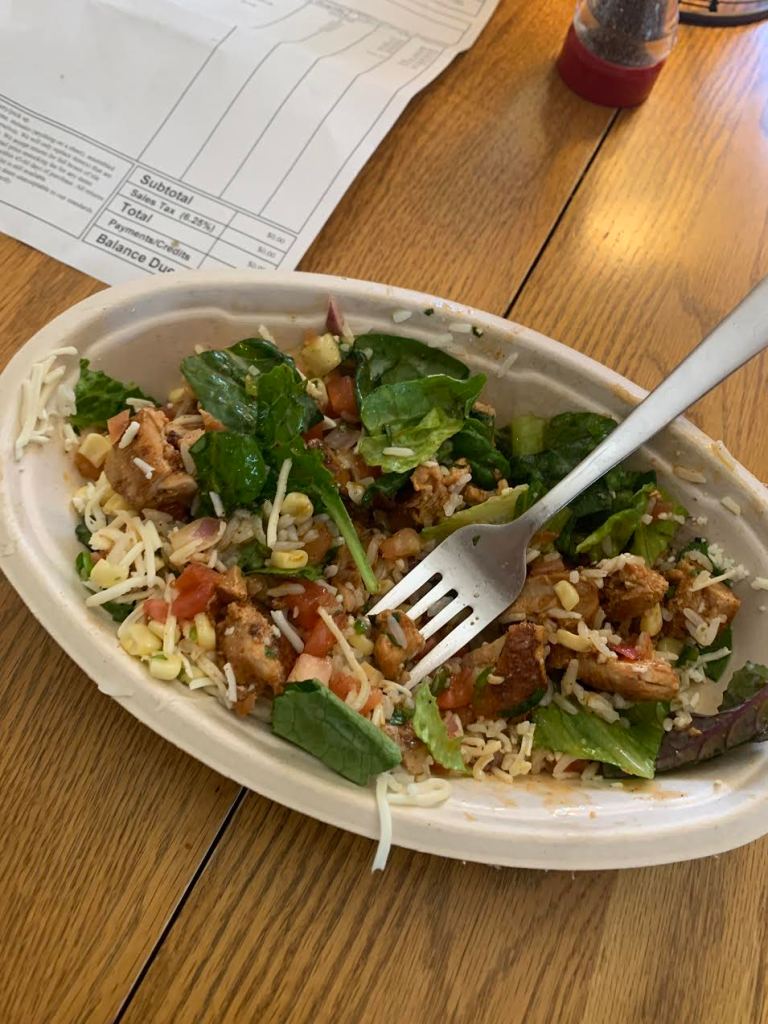
Water is essential to our bodies in many ways, and I am thankful that I have always drank water. I can usually drink about 80 oz a day without even thinking about it. I was surprised to learn that human could suffer if they drink too much water. “Hyonatremia, a condition characterized by low blood levels of the mineral sodium” (182). This makes me wonder, how can we balance the perfect amount of water? When I make my meals, I do try to prep for the most part. Sometimes, knowing my cooked food is sitting in the fridge I get a little grossed out and don’t eat it. But, I will always make sure to make the entire pack of chicken, because I don’t mine eating cold chicken on top of a salad or in a sandwich (I can’t be alone, microwaved chicken is weird). Protein is the second most essential nutrient for our body. I make sure especially when I am working out, that I have enough protein in my body afterwards to rebuild the muscles. Proteins are described as the key elements in our bodies for developing and repairing blood, skin, and muscles. They’re also the key element for antibodies, enzymes and hormones (182). Throughout the chapter I liked learning about complimentary foods. This helps with optimal digestion and absorption or nutrients. When it comes to food labels, I do read them to get an idea of how much of something I should be eating, but don’t stress too much. I like listening to my body and eating when I am hungry and stopping when I am full. It becomes easy to beat yourself up knowing that in order to reach a certain body-image goal, you need to either eat past feeling full, or stop before reaching that point. As the chapter stressed, a well balanced diet is nutrient dense. I try to focus my meals on whole foods but allow myself to eat something that my not be nutrient dense (a few oreos for bed wont kill me).
Now for last week and this week to come, I am going to continue with listening to my body and eating when I am hungry. Lunch time has become one of my favorite meals, since I get to be more creative with my limited options. I try to always have a salad with chicken, and drink lots of water. I have struggled mentally with not being able to go to the gym. But, so far home workouts seem to be doing the trick. Getting creative with weights, towels, and stairs get my body moving.
 Emily's Blog